Mosquitoes might hate this one simple scent… and scientists finally know why.
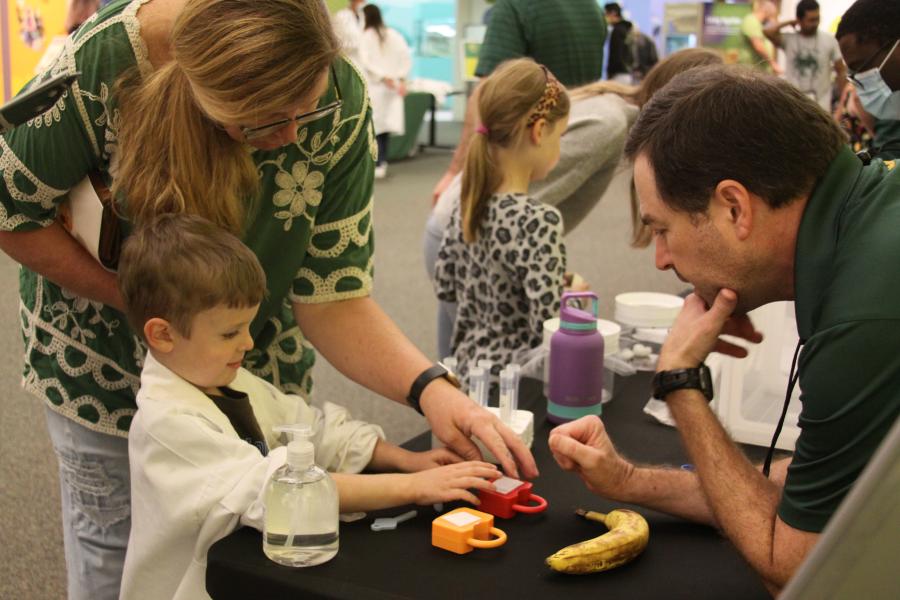
Exciting research from a collaborator of the Mayborn Museum is helping to shape the next generation of mosquito protection.
A new study published in Nature Communications by researchers including Baylor University biologist Jason Pitts, Ph.D., reveals that mosquitoes have a specialized sensory receptor that detects borneol, a natural compound found in aromatic plants like camphor trees and rosemary. When mosquitoes encounter this compound, a specific neural pathway signals danger and triggers avoidance behavior.
Understanding how mosquitoes “smell” repellents gives scientists a precise biological target for designing smarter and more effective mosquito deterrents. Research like this bridges neuroscience and public health, helping scientists develop better tools to protect people from mosquito-borne diseases such as dengue and Zika.
We’re proud to work with Dr. Pitts and share his research with our audiences at the Mayborn Museum—bringing cutting-edge science from the lab to our community.